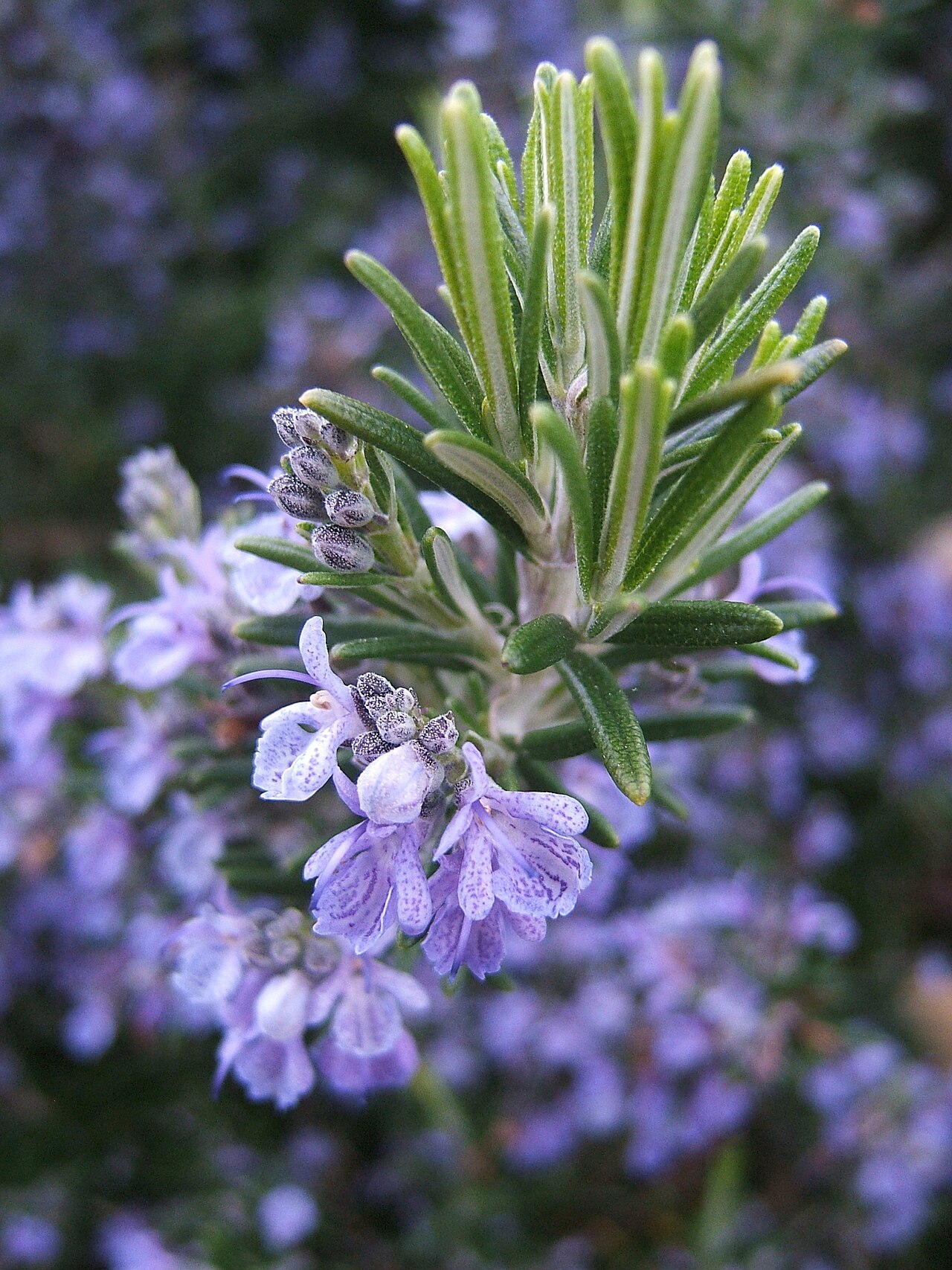
It is the viral hair growth ingredient TikTok cannot stop talking about — but unlike most beauty trends, rosemary oil has real clinical evidence behind it. One landmark study even found it as effective as 2% minoxidil. Here is exactly how to use it, what to buy, and what to expect.
In This Guide
- The Science: Does It Actually Work?
- How Rosemary Oil Stimulates Hair Growth
- Rosemary Oil vs Minoxidil
- Best Rosemary Oil Products for Hair
- How to Use Rosemary Oil Correctly
- Common Mistakes to Avoid
- FAQs
The Science: Does Rosemary Oil Actually Work?
Despite being a viral TikTok trend, rosemary oil for hair growth is not pseudoscience. The cornerstone clinical trial — published in SKINmed in 2015 — randomized 100 patients with androgenetic alopecia (genetic hair loss) to either rosemary essential oil or 2% minoxidil for 6 months. The result: both groups saw significant increases in hair count, with no statistically significant difference between them. The rosemary group also reported less scalp itching.
Subsequent research has reinforced these findings. A 2022 meta-analysis confirmed rosemary oil's efficacy for androgenetic alopecia. Most recently, a 2024 study published in Phytomedicine identified carnosic acid — the primary antioxidant compound in rosemary — as the likely mechanism behind its follicle-stimulating effects.
🔬 Dermatologist Insight: Rosemary oil is one of only a handful of "natural" hair growth ingredients with high-quality clinical evidence. The 2015 head-to-head with minoxidil is what convinced the dermatology community to take this trend seriously.
How Rosemary Oil Stimulates Hair Growth
Rosemary oil works through several distinct biological pathways:
- Improved scalp microcirculation: Rosemary causes mild vasodilation, increasing blood flow to dormant follicles.
- DHT inhibition: Carnosic acid appears to mildly inhibit 5-alpha reductase — the enzyme that converts testosterone to DHT, which causes androgenetic alopecia.
- Anti-inflammatory effects: Chronic scalp inflammation contributes to follicle miniaturization. Rosemary's antioxidant compounds reduce this inflammation.
- Follicle regeneration: 2024 research shows carnosic acid may help reactivate dormant follicles by upregulating Wnt/β-catenin signaling.
Rosemary Oil vs Minoxidil: Which Should You Use?
- Clinical efficacy: Rosemary Oil - Comparable in 2015 RCT | Minoxidil 2% - FDA-approved, decades of data
- Time to results: Rosemary Oil - 4–6 months | Minoxidil 2% - 3–6 months
- Scalp irritation: Rosemary Oil - Low, gentler | Minoxidil 2% - Moderate (itching common)
- Initial shedding phase: Rosemary Oil - None | Minoxidil 2% - Common (4–8 weeks)
- Cost per month: Rosemary Oil - $5–15 | Minoxidil 2% - $15–30
The honest answer: minoxidil has more total evidence and FDA approval, but rosemary oil is a strong, gentler alternative — and the two work very well together. Many dermatologists now suggest combining them, applying minoxidil daily and rosemary oil 2–3 times a week.
Best Rosemary Oil Products for Hair Growth
#1 Best Overall
Mielle Organics Rosemary Mint Scalp & Hair Strengthening Oil
★★★★★ 4.6/5 (160,000+ reviews)
The product that started the TikTok rosemary oil revolution. Mielle pairs rosemary with peppermint, biotin, and 30+ essential oils in a pre-diluted formula that is ready to use.
- Pre-diluted with safe carrier oils — no mixing required
- Includes biotin, peppermint, and 30+ supporting actives
- Dropper applicator for scalp precision
- Works for all hair types including 4C textures
⭐ Verdict: The best ready-to-use rosemary oil on the market. If you only buy one product, this is it.
#2 Best Pure Essential Oil
Handcraft Blends Rosemary Essential Oil (4 oz)
★★★★★ 4.6/5 (45,000+ reviews)
100% pure, therapeutic-grade rosemary essential oil. Best for DIY users who want full control over concentration. GC/MS-tested for purity.
- 100% pure essential oil — no additives
- GC/MS tested for purity
- Best price per ounce on the market
- Must be diluted before use — never apply neat
#3 Best Premium
The Mane Choice Rosemary & Birch Strengthening Oil
★★★★☆ 4.4/5 (12,000+ reviews)
A premium rosemary blend that adds birch bark extract for additional scalp circulation benefits. Lightweight, non-greasy formula absorbs faster than Mielle.
- Lighter texture, faster absorption
- Birch bark adds extra circulation boost
- Doesn't weigh down fine hair
How to Use Rosemary Oil Correctly
The 4-Step Method
- Step 1: Section dry or slightly damp hair to expose the scalp.
- Step 2: Apply 5–10 drops directly to the scalp using the dropper or your fingertips. Focus on areas of thinning.
- Step 3: Massage for 2–5 minutes using fingertip pressure (not nails).
- Step 4: Leave on for at least 2 hours, ideally overnight. Wash out with a gentle shampoo. Repeat 2–3 times per week.
Dilution Guide for Pure Essential Oil
- Daily scalp serum: 5 drops Rosemary + 1 tablespoon jojoba
- Pre-shampoo treatment (2x/week): 10 drops Rosemary + 2 tablespoons castor + jojoba
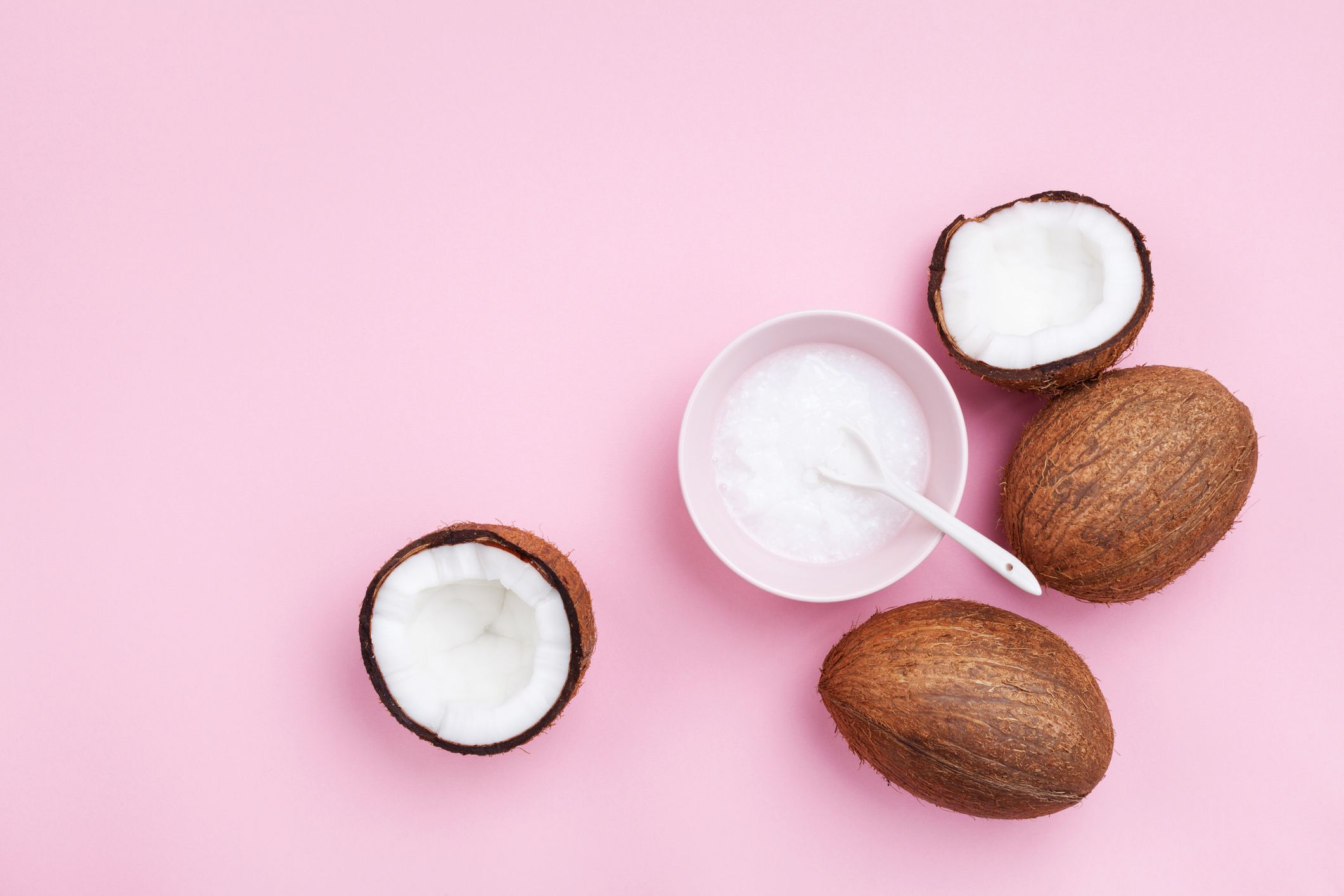
- Overnight hair mask (1x/week): 15 drops Rosemary + 3 tablespoons argan or coconut
- Sensitive scalp: 3 drops Rosemary + 1 tablespoon jojoba
🔬 Dermatologist Tip: Castor oil makes an excellent carrier for rosemary because of its high ricinoleic acid content, which has its own modest anti-inflammatory and circulation-boosting effects.
Common Mistakes to Avoid
- Using essential oil neat: Pure rosemary essential oil applied undiluted can cause severe scalp irritation. Always dilute.
- Inconsistent use: Hair growth happens on a 3–4 month cycle. Commit to 2–3x weekly for at least 4 months.
- Applying only to hair, not scalp: Rosemary oil works on the follicles in the scalp.
- Expecting overnight results: Real visible changes take 4–6 months minimum.
- Skipping the patch test: Even diluted, rosemary can trigger reactions. Test on the inner forearm for 24 hours.
Frequently Asked Questions
Does rosemary oil really work for hair growth?
Yes — and it's one of the few "natural" hair growth ingredients backed by solid clinical data.
How long does it take to see results from rosemary oil?
Initial signs (reduced shedding, baby hairs) typically appear at 8–12 weeks. Visible density changes take 4–6 months of consistent use.
How often should you apply rosemary oil to your scalp?
2–3 times per week is optimal. Always dilute pure essential oil at 2–5% in a carrier, or use a pre-formulated product.