
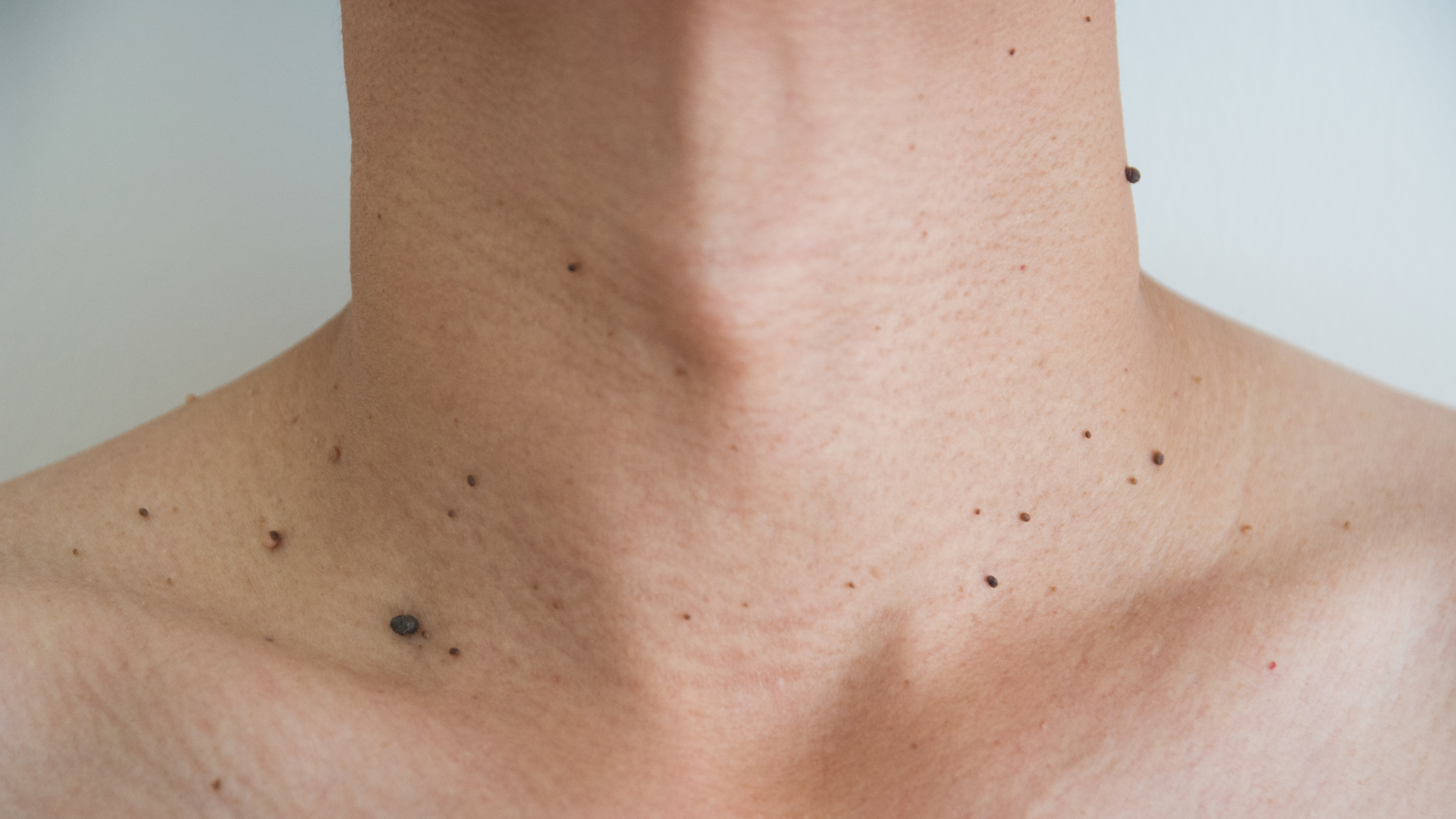
Skin Tags are a common concern, and a nuisance for many people. They're small, soft, and generally harmless, and yet the internet has turned them into a source of real confusion. From dental floss to apple cider vinegar, the DIY approaches are everywhere, and most of them are genuinely risky in ways people don't expect.
Here is what you actually need to know.
What Are Skin Tags?
The medical term is acrochordon. They are benign growths made of loose collagen fibers and blood vessels, all wrapped in a layer of skin. They tend to show up where skin rubs against skin or clothing, including the neck, underarms, groin, eyelids, and under the breasts. They are usually flesh-colored, soft to the touch, and hang from a narrow stalk.
They are not dangerous on their own, but they are worth paying attention to.
Why Some People Get More Skin Tags Than Others
Friction is a contributing factor, and so is genetics. Hormonal changes, including those associated with pregnancy, can also trigger new ones to form.
What often surprises people is the connection between skin tags and metabolic health. Research has linked acrochordons to insulin resistance, pre-diabetes, and obesity. Elevated insulin levels are thought to stimulate skin cell growth. If you are noticing a sudden increase in the number of skin tags you're developing, that is worth discussing with your doctor.
The At-Home Removal Methods You Should Avoid
- Tying dental floss or thread around the base cuts off blood flow and creates a risk of infection, inflammation, and permanent scarring.
- Apple cider vinegar is acidic enough to damage and burn the healthy skin around the growth.
- Black salve is an escharotic agent that destroys tissue indiscriminately and has caused serious, irreversible disfigurement.
- Over-the-counter freezing kits are designed for warts, not skin tags, and can cause unintended tissue damage.
That Growth Might Not Be a Skin Tag
Several types of skin lesions can look almost identical to skin tags to the untrained eye. Neurofibromas, dermal nevi, warts, and in rare but serious cases, melanoma, have all been mistaken for simple skin tags. A dermatologist needs to evaluate any new or changing growth before any attempt at removal is made.
How Skin Tags Are Safely Removed in a Dermatology Office
Professional removal is quick, well-tolerated, and far safer than anything you can do at home. The three most common methods are:
- Snip excision: A sterile scissor or scalpel is used after a local numbing agent is applied.
- Cryotherapy: Liquid nitrogen is applied to freeze and destroy the tissue.
- Electrocautery: A small electric current cauterizes and removes the growth.
Post-Removal Care and What to Expect
Healing is typically straightforward, but proper aftercare matters, especially if you are prone to post-inflammatory hyperpigmentation. Keeping the area clean, moist, and protected from sun exposure will support healing. Skin tag removal is generally considered cosmetic by most insurance plans, so it is typically an out-of-pocket expense.
The most important step before any removal, in a clinic or at home, is confirming that what you are dealing with is actually a skin tag. A dermatologist can give you that confirmation, along with the safest path forward. And because it's worth repeating, do not attempt to remove at home!